Managing Construction Waste on Adelaide Projects
Construction, renovation and demolition work can generate a wide range of waste, from concrete and bricks to scrap metal, soil, timber and general rubbish. Without a plan, these materials can quickly become mixed together, making them harder to deal with and reducing opportunities for recycling or recovery.
For builders, contractors and property owners, a more effective approach is to think about waste before work starts, keep different materials separate where practical and use a facility that can handle the waste your project produces. Planning ahead can make construction waste disposal simpler, while sorting suitable materials correctly can help ensure they are directed towards recycling or recovery where possible.
Plan Your Waste Before Work Starts
Before demolition, excavation or construction begins, think about what is likely to leave the site. The type and size of the job will determine how much waste is produced, so a major demolition will require a different approach from a bathroom renovation or landscaping project.
Identify the main types of waste you expect to generate and consider how much you are likely to have. Allow space for different materials to be kept apart and decide whether you will use separate bins, stockpiles or vehicle loads.
It is also worth checking what your chosen waste facility accepts before work begins. Knowing the requirements in advance can prevent unsuitable materials from being mixed into a load and save unnecessary trips.
Separate Common Construction Materials
Once work begins, keep different types of waste separate where it makes sense to do so. Sorting materials as they are produced is generally much easier than trying to sort through a mixed load later.
Common construction and demolition waste can include:
- Concrete and bricks
- Scrap metal
- Clean soil
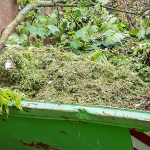
- Green waste
- Cardboard and other recyclable materials
- General waste
You do not need to use a complicated system. The main aim is to stop materials with different disposal or recycling options from being mixed together.
Keep Clean Soil, Concrete and Bricks Free from Contamination
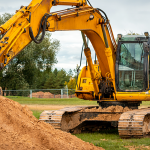
Excavation and site preparation can produce large quantities of soil. If you have clean soil that can be accepted by a facility, keep it separate from general rubbish, building debris and other waste.
The same applies to materials such as concrete and bricks. Keeping these materials free from unrelated waste makes loads easier to identify and handle.
The Adelaide Waste and Recycling Centre accepts construction and demolition waste, including concrete, brick and clean soil. Our facility also supports resource recovery, so keeping these materials separate and free from contamination can help ensure they are suitable for the appropriate recovery or disposal pathway.
Choose the Right Facility for Construction Waste Disposal
Not every waste facility accepts the same types of material, so check the requirements before loading your vehicle. This is particularly important when a project produces several different types of waste.
Choosing an experienced facility that accepts a range of waste types can simplify the process. Rather than finding a separate destination for every material, you may be able to take several suitable waste types to the same location.
If you are unsure whether a particular material can be accepted, check with the facility before arriving, especially if it may be contaminated or subject to specific requirements.
The Adelaide Waste and Recycling Centre accepts a broad range of commercial and domestic waste types, including construction and demolition waste, clean soil, metals and general waste. Our facility is set up to support waste separation and resource recovery.
Prepare and Transport Each Load Safely
Before transporting a load, make sure it is properly contained, separated where possible and within your vehicle’s safe carrying capacity.
Loads should be secured so materials cannot fall or spill during transport. Covering loose material where appropriate can also help prevent it from escaping while you are on the road.
Taking a few minutes to prepare the load can make unloading easier and give you a chance to identify anything that should be handled separately before leaving the site.
Give Recoverable Materials a Better Chance
Not all construction waste needs to follow the same disposal pathway. Metals, concrete, bricks and suitable soil may have recycling or recovery options when they are kept separate and meet the relevant acceptance requirements.
Keeping these materials separate can support construction waste recycling and resource recovery, while reducing the amount of waste that needs to be disposed of. Facilities with resource recovery capabilities can process suitable materials and direct them towards the appropriate recovery option.
For builders and contractors, including material separation in site procedures can make recycling and recovery a straightforward part of waste management.
Make Waste Planning Part of the Job
Effective waste management starts before the work is finished. Knowing what the job is likely to produce, keeping different materials separate, checking where they can be taken and preparing each load properly can make the whole process easier.
For property owners, this can make renovation clean-ups more manageable. For builders and contractors, a simple process can help keep the site organised and make waste removal more efficient.
If you need building waste disposal, choosing a facility that can handle a range of waste types and supports resource recovery can also simplify the job.
Discuss Your Construction Waste Requirements
Planning a construction, renovation or demolition project in Adelaide? Contact the Adelaide Waste and Recycling Centre to discuss your requirements and find out the best way to manage your construction and demolition waste.

Adelaide Waste and Recycling Centre
Our friendly operators are available at the AWRC if you need to clarify any further information.