Choosing the Right Industrial Bins for Your Adelaide Business
Choosing industrial bins involves considering the types of waste your business generates, the volumes produced and how often collections are needed. Separating recyclable materials from general waste is also important, as it can help recover useful resources and reduce disposal.
Assessing these factors before selecting bins helps establish a waste management arrangement that suits your business’s needs and operations.
Start By Understanding Your Business’s Waste
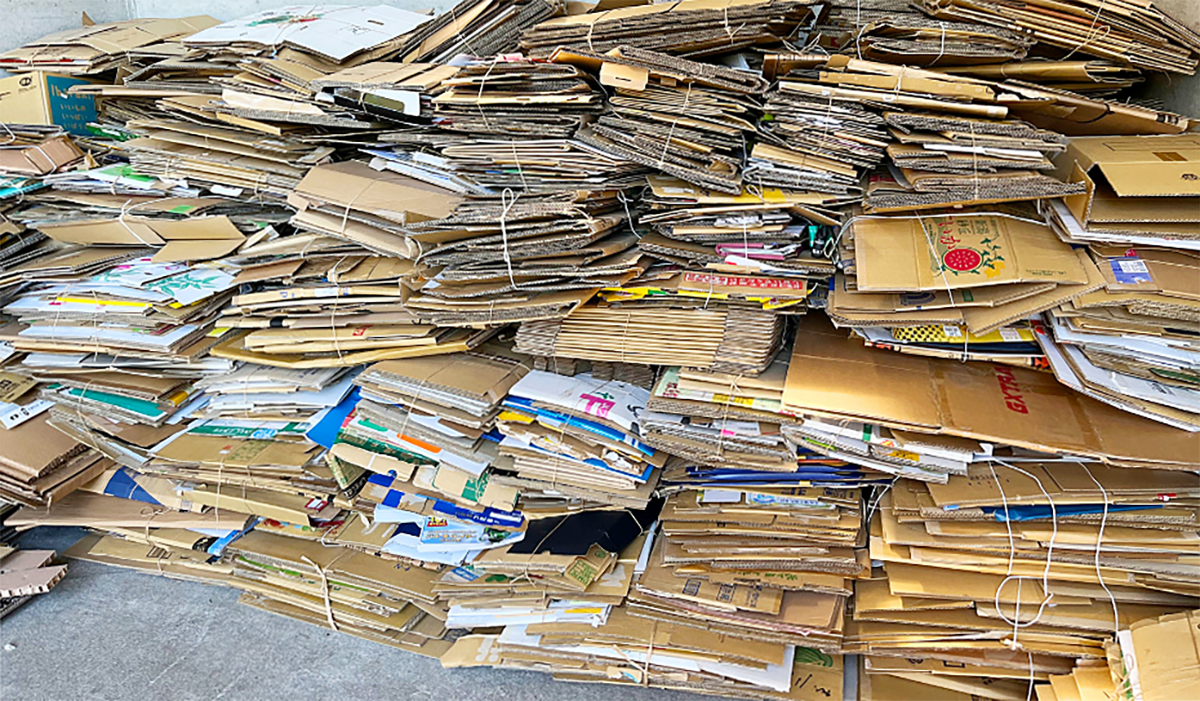
Start by identifying the types of waste your business generates. The specific materials will depend on your industry and day-to-day operations. Common waste streams include general rubbish, cardboard packaging, scrap metal, timber offcuts, green waste and construction and demolition materials.
Record the approximate quantities of each type and consider how consistently they are produced. For example, a warehouse might generate large volumes of cardboard during regular deliveries, while a workshop may produce metal offcuts throughout the working week.
Consider whether waste volumes fluctuate during busy periods or particular stages of your operations. Understanding these patterns helps you estimate the capacity your bins will need and how frequently collections may be required.
Review your waste requirements periodically, particularly if your business expands, changes its operations or begins generating different types or quantities of waste. This helps ensure your waste management arrangements continue to meet your needs.
Choose Bin Sizes That Match Your Waste Volumes
The appropriate size depends on your waste type, volume, available space and collection arrangements. Bulky materials such as cardboard can fill a bin quickly without weighing very much, while denser materials may have different handling requirements.
The AWRC offers industrial bins in several sizes, including 1, 1.5, 2, 3 and 4.5 cubic metres, as well as 1,100-litre bins and larger multi-lift options.
Consider how quickly each bin will fill between collections. An undersized bin can overflow, while an unnecessarily large one may occupy valuable space.
Before making a final decision, check your site’s layout and ensure there is enough room for the selected bins, safe use by staff and access for collection vehicles. If you are unsure about capacity or placement, discuss your waste volumes and site conditions with your provider.
Separate Recyclables from General Waste
Identify which materials your business can collect separately. Depending on your operations and available services, these might include paper, plastics, metals and other suitable recyclables.
For example, a warehouse could place a dedicated cardboard bin near its unpacking area, while a workshop might collect suitable metal offcuts separately from general rubbish.
Make the system practical for employees by positioning bins close to where waste is generated, using clear labels and explaining which materials belong in each bin. This makes correct separation easier during busy working periods.
Before introducing additional recycling bins, confirm which materials your provider accepts. Unsuitable items can contaminate otherwise recoverable waste.
Review bin contents periodically. If recyclable materials regularly end up in general waste, consider whether bin placement, labelling or staff instructions need adjusting.
The Adelaide Waste and Recycling Centre (AWRC) provides industrial and recycling bin services to help businesses manage different waste streams.
Set A Collection Schedule That Fits Your Operations
Even correctly sized bins can become a problem if they fill before their scheduled collection.
Estimate how quickly each bin fills under normal operating conditions. Consider whether waste accumulates steadily or increases after deliveries, production runs or major jobs.
Businesses generating substantial daily volumes may need more frequent collections than those producing smaller amounts. Different waste streams may also require different schedules if one bin fills considerably faster than another.
Monitor your current arrangement. Overflowing bins or rubbish accumulating around them indicate that the schedule may need adjusting. Conversely, consistently collecting bins that are barely full could suggest an opportunity to reduce collection frequency, provided the arrangement remains suitable for the waste involved.
Consider operating hours and site access when scheduling collections. The AWRC offers scheduled and one-off commercial waste collections to suit different business requirements.
Review Your Waste Arrangements as Your Business Changes
Waste requirements can change as a business expands, introduces new processes or takes on different projects. Periodically review waste volumes, recycling opportunities and how efficiently bins are being used.
A different bin size, an additional recycling stream or an adjusted collection schedule may better suit your current operations.
Pay particular attention when introducing new materials or activities. Liquids, hazardous materials and specialised waste should not automatically be placed in general industrial bins. Confirm the appropriate handling and disposal requirements with your provider before arranging collection.
Find the Right Industrial Bins for Your Adelaide Business
Choosing suitable industrial bins involves balancing waste volumes, recycling needs, available space and collection frequency. Considering these factors helps you choose bins that suit your operations and avoid unnecessary capacity or collections.
The Adelaide Waste and Recycling Centre provides industrial bins, recycling bins and commercial waste collection services across Adelaide and surrounding areas.
Contact the AWRC on 8295 5077 to discuss your waste types, approximate volumes and site requirements. Our team can help you explore suitable bin options and collection arrangements for your business.
Adelaide Waste and Recycling Centre
Our friendly operators are available at the AWRC if you need to clarify any further information.