How Adelaide Businesses Can Improve Cardboard Recycling
Cardboard from deliveries, stock replenishment and product packaging can build up quickly in a workplace. When it is put into general waste or left in piles around a site, it takes up room and makes waste handling harder than it needs to be. Separating cardboard at the source and planning storage and collections around actual volumes can make recycling easier and more consistent.
Separate Cardboard Where It Is Unpacked
The easiest place to capture cardboard is where the packaging first becomes waste. Set up a clearly marked cardboard collection point near goods-receiving areas, storerooms or packing benches so staff do not have to carry empty boxes across the workplace or decide between several bins.
Keep cardboard separate from general rubbish from the start. If cardboard is put into a general waste bin, it may become mixed with food scraps, liquids or other materials and become harder to recover. Provide staff with a simple instruction: remove cardboard packaging from the product, flatten the box and place it in the designated area.
Make the process easy to follow with clear bin labels and simple instructions. A quick introduction for new employees can also help establish good recycling habits from the beginning.
Keep Cardboard Clean and Ready for Recycling
Contamination often starts when recyclable cardboard is treated as a convenient place to put other rubbish. Keep food waste, drink containers, plastic wrap and general rubbish out of cardboard-only bins. Where packaging includes other materials, separate those materials if practical rather than placing everything in the same container.
Flatten boxes before storing them. This makes cardboard stacks more stable and reduces the space needed, while also making it easier to see how much is waiting for collection. Remove loose packing materials that do not belong with the cardboard, and check with your service provider if you are unsure whether a particular packaging item is accepted.
Label the cardboard bin clearly and provide a nearby general waste option for non-recyclables. Check the area after busy delivery periods to catch any contamination early.
Plan Storage Around Your Workplace
Discarded cardboard can quickly take over an area if there is no dedicated place for it. Choose a collection point that is accessible to staff and collection crews without blocking walkways, exits, equipment or vehicle movements. Keep the area tidy and make sure that accumulated boxes cannot topple into working spaces.
Flattening boxes helps, but the storage setup should reflect your output. A small office may need only a compact holding area, while a retailer or warehouse receiving frequent shipments may need more space and regular removal.
Review the arrangement during your busiest periods, not just when cardboard volumes are low. If stacks repeatedly spill beyond the allocated area, the business may need more capacity, more frequent collections or a change to how the cardboard is handled as it comes off deliveries.
Choose Bins and Collections That Fit Your Volumes
The right bin and collection frequency depend on how much cardboard you generate, how quickly it accumulates and how much room is available on site. A container that is too small can overflow between collections. An oversized bin or unnecessarily frequent collection may not suit the actual volume either.
For a few weeks, note how quickly the area fills and whether delivery days, seasonal trading or stock changes create peaks. Use this information when reviewing your service. Consider whether a dedicated cardboard bin is suitable, where it can be placed and how often it should be emptied.
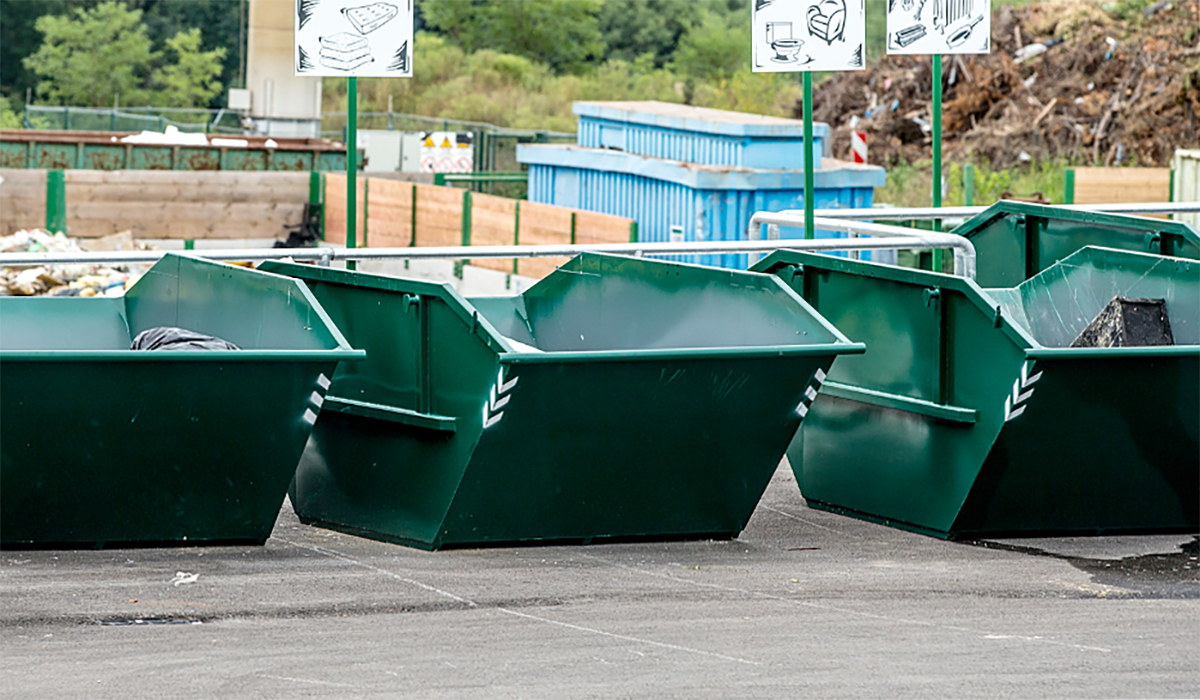
Businesses looking for cardboard recycling bins in Adelaide can discuss their needs with the Adelaide Waste and Recycling Centre (AWRC). We offer commercial cardboard bins, scheduled collections and an on-site assessment to help identify an arrangement that suits the premises and the waste generated.
Make the Process Easy to Maintain
A recycling system works best when staff know what to do and someone checks that it is working. Assign responsibility for keeping the collection area organised and raising issues such as overflow, contamination or missed collections. This does not need to involve a lot of time and effort. A quick check during routine workplace inspections may be enough for a smaller operation.
Review the system when the business changes its stock range, delivery frequency, layout or staffing. If cardboard is regularly ending up in general waste, find out why. The bin may be too far away, unclear, full before collection day or inconvenient for the people unpacking deliveries. Fixing the practical cause is more effective than simply reminding staff to recycle.
Set Up a Better Cardboard Recycling Arrangement
Improving cardboard recycling starts with a clear separation point, simple rules for keeping materials clean and a storage area that matches the volume your business produces. Review the process as your needs change so that cardboard does not become a recurring workplace problem.
The AWRC accepts commercial cardboard at our North Plympton facility. Contact our team on 8295 5077 to discuss drop-off or collection options for your business.
Adelaide Waste and Recycling Centre
Our friendly operators are available at the AWRC if you need to clarify any further information.