How Waste Audits Can Improve Business Recycling
Many businesses know they are producing more waste than they would like but may not know where the biggest problems are or whether their current waste services are still right for them. A waste audit can provide a clearer picture, helping businesses identify what could be recycled, what could be reduced and where their waste management practices can be improved.
See What Your Business Is Actually Throwing Away
A commercial waste audit looks at the materials a business produces and how they are currently being managed. Rather than simply checking how full the bins are, the process examines the types and quantities of waste being generated and where different materials end up.
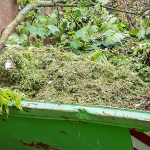
Depending on the business, this could include packaging, paper and cardboard, food or organic material, general rubbish, green waste, metals and other specialist materials. Examining these different waste streams can reveal patterns that are easy to miss during the normal working day.
Where Your Biggest Waste Volumes Come From
One of the most useful things an audit can show is which materials make up the largest proportion of a business’s waste. A business may assume general rubbish is the main issue, only to discover that cardboard, packaging or another recyclable material makes up much of what is being discarded.
Rather than making changes across the board, the business can focus on the materials that are having the biggest impact. The audit may also show that existing bin sizes or collection frequencies no longer suit the amount of waste being produced.
Waste That Could Be Avoided
Not everything going into a bin needs to be recycled. Some waste can be avoided altogether. For example, an audit may highlight excessive packaging, disposable items or materials that could be reused or returned to suppliers. It can also encourage businesses to look at purchasing habits and workplace practices that are creating unnecessary waste.
Preventing unnecessary waste in the first place is often better than deciding how to manage it later.
Revealing Recycling Contamination
A business may have recycling bins in place and still be losing recyclable materials because the wrong items are being put in them. Contamination can happen when materials are placed in the wrong bin or when items that are not accepted through a particular recycling service are included.
Looking at what is actually being thrown away can help identify where these mistakes are happening. It may show that staff need clearer instructions, that bins are in the wrong locations or that signage needs to be easier to understand.
These are relatively simple changes, but they can make it much easier for staff to put the right materials in the right bins.
Better Separation and Collection
Once the main waste streams and contamination problems are understood, businesses can look at whether their waste areas and collection arrangements are set up effectively.
For example, if a recycling bin is regularly underused while a general waste bin overflows, the business may benefit from changing its bin types, collection frequency or recycling arrangements.
The Adelaide Waste and Recycling Centre provides commercial waste services, including regular scheduled or one-off collections, industrial bins and recycling bins. Our facility accepts a range of commercial materials, including paper and cardboard, construction and demolition waste, green waste, tyres, clean soil and hazardous waste.
Putting the Findings into Practice
An audit is only useful if the business acts on what it finds. Depending on the results, this could mean changing purchasing practices, adjusting collection arrangements or introducing new procedures for particular materials.
After the changes have been in place for a while, the business can look at its waste volumes and contamination levels again. This can show whether the changes have worked and whether anything else needs to be adjusted.
Get Professional Advice on Business Recycling
For businesses that are not sure where to start, professional advice can make the process easier. An experienced waste provider can help identify suitable ways to separate and collect different materials, while taking into account the way the business operates.
Make Your Waste Work Harder
A waste audit helps a business understand its actual waste stream and make better decisions about what to reduce, recycle and how to manage what remains. By identifying where waste is coming from and how it is currently being handled, businesses can focus on practical changes that make a real difference and potentially reduce unnecessary disposal costs.
A better understanding of your waste can also help you make more informed choices about recycling, collection and ongoing waste management. This can support more effective waste management over time.
Improve Your Business Waste Management
Contact the Adelaide Waste and Recycling Centre to discuss your commercial waste requirements and find out how our waste assessment services can help your business manage waste more effectively.

Adelaide Waste and Recycling Centre
Our friendly operators are available at the AWRC if you need to clarify any further information.